Glaucoma is a group of eye conditions that can damage the optic nerve and affect vision. It often progresses silently, which means a person may not notice obvious symptoms until vision loss has already started. This is why regular eye examinations and early detection are so important.
What Is Glaucoma?
Glaucoma is a group of conditions that damage the optic nerve, usually associated with increased pressure inside the eye. Because the condition can develop gradually without noticeable symptoms, regular eye examinations can play an important role in detecting it early.
Once vision is affected, the damage can be serious, making early evaluation and ongoing monitoring important.
Why Is Glaucoma Called the “Silent Thief of Vision”?
Glaucoma can develop without obvious warning signs, particularly in its early stages. A person may continue with their normal routine while changes to the optic nerve are taking place.
This is one of the main reasons glaucoma can be difficult to identify without an eye examination. Early detection allows an eye specialist to assess the condition and plan appropriate management.
Common Signs of Glaucoma
Glaucoma may not cause noticeable symptoms in its early stages. When symptoms do occur, they can include:
- Gradual loss of peripheral or side vision
- Eye pain or redness, particularly in acute cases
- Halos around lights
Because symptoms may be absent or difficult to notice, waiting for vision problems to appear is not a reliable way to detect glaucoma.
Why Regular Eye Pressure Checks Matter
Eye pressure testing, also known as tonometry, is an important part of glaucoma evaluation. A comprehensive assessment may also include visual field testing to understand how glaucoma may be affecting your vision.
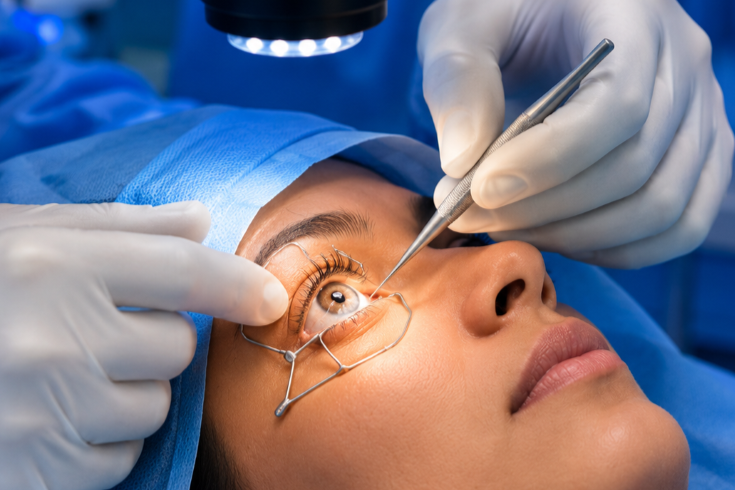
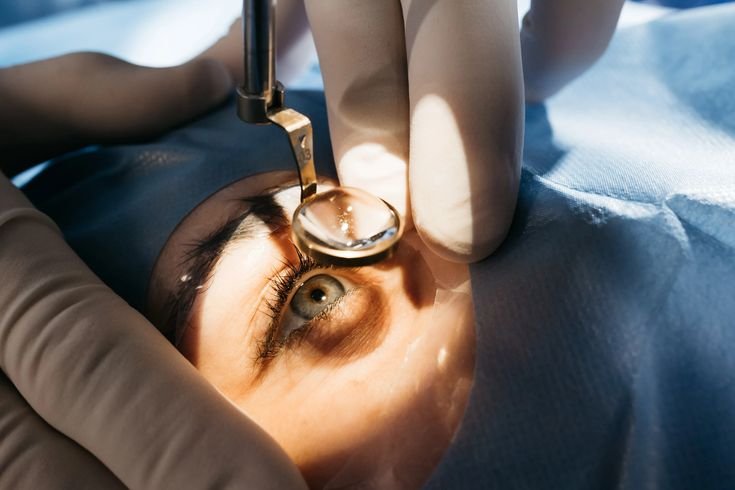
Based on the findings and severity, treatment may include medication, laser treatment, or surgery.
Regular monitoring is particularly important because glaucoma requires ongoing attention. Early detection and continued follow-up can help protect vision over the long term.
How Is Glaucoma Diagnosed?
A comprehensive glaucoma evaluation may include:
Eye Pressure Testing
Tonometry measures the pressure inside the eye and forms part of the assessment for glaucoma.
Visual Field Testing
Visual field testing helps evaluate whether there are areas of vision that may have been affected.
Ongoing Monitoring
Glaucoma management does not necessarily end after the initial diagnosis. Regular monitoring helps the eye specialist assess the condition and adjust treatment when required.
Glaucoma Treatment
Treatment depends on the severity and individual condition of the patient. Management may include:
- Medication
- Laser treatment
- Surgery
The appropriate treatment plan is determined after a comprehensive evaluation.
Don't Wait for Vision Loss
One of the most important things to understand about glaucoma is that noticeable symptoms may not appear early. If you wait until your vision changes significantly, the condition may already have progressed.
A comprehensive eye check-up can help identify glaucoma and other eye conditions at an earlier stage.
Expert Glaucoma Care in Indore
At Priyal Eye Care Centre, Dr. Manish Gujrati provides glaucoma diagnosis and management with a focus on thorough evaluation and ongoing monitoring to help detect glaucoma early and protect vision for the long term.
If you have concerns about your eye health or have not had a comprehensive eye examination recently, consider scheduling a consultation.
Your vision is precious. Don’t wait for symptoms to become noticeable—get your eyes checked regularly.