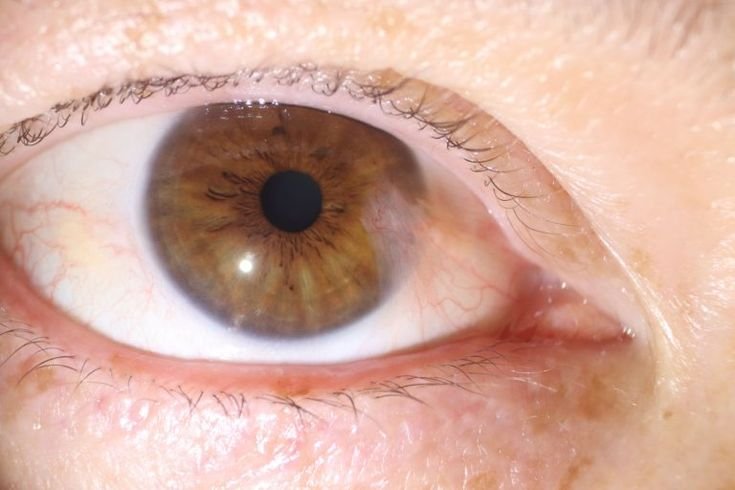
Have you noticed a small, fleshy growth on the white part of your eye? It could be a pterygium. Sometimes called “surfer’s eye,” a pterygium is a growth of tissue that develops on the conjunctiva, the clear membrane covering the white part of the eye. It can sometimes extend onto the cornea and affect vision.
What Is a Pterygium?
A pterygium is a fleshy growth that develops on the white of the eye and may gradually extend toward the cornea.
While a small pterygium may not cause significant problems, it can sometimes lead to irritation, redness, or blurred vision when it grows onto the cornea.
What Are the Common Symptoms?
A pterygium may be visible as a growth on the white part of the eye. Common symptoms can include:
- A visible fleshy growth on the eye
- Redness
- Eye irritation
- A gritty or foreign-body sensation
- Blurred vision if the growth extends onto the cornea
Not everyone with a pterygium will experience all of these symptoms.
Does Every Pterygium Need Surgery?
No. The need for surgery depends on the individual condition and how the pterygium is affecting the eye.
If the growth is causing significant irritation, affecting vision, or extending onto the cornea, an eye specialist can evaluate whether surgical removal is appropriate.
A comprehensive eye examination is the best way to determine the right approach for your particular condition.
What Happens During Pterygium Surgery?
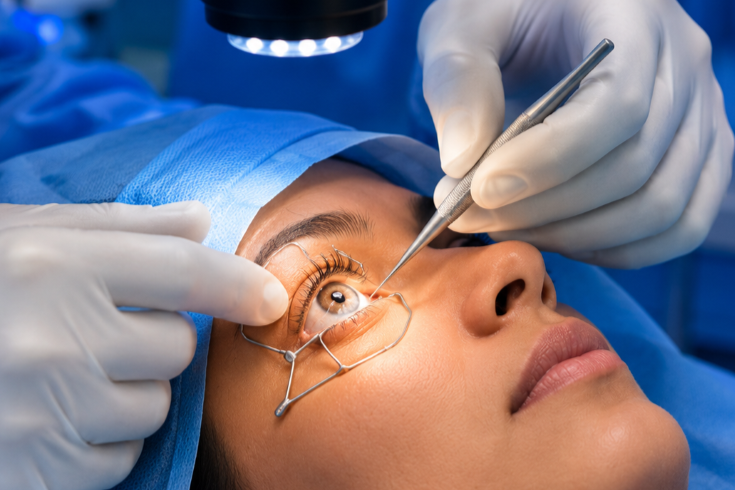
When surgery is recommended, the pterygium is surgically removed. At Priyal Eye Care Centre, Dr. Manish Gujrati uses the conjunctival autograft technique.
This technique involves using healthy conjunctival tissue as part of the surgical procedure and is intended to significantly reduce the chance of the pterygium returning compared with older surgical methods.
Why Can Pterygium Come Back?
Recurrence is an important consideration when treating pterygium. The surgical technique used can influence the likelihood of recurrence.
Dr. Gujrati has experience with the conjunctival autograft technique, specifically with the aim of minimising recurrence after surgery.
When Should You See an Eye Specialist?
Consider getting your eyes examined if you notice:
- A new or growing fleshy growth on the eye
- Persistent redness or irritation
- A gritty sensation that does not go away
- Changes or blurring in your vision
Early evaluation can help determine whether the pterygium requires observation, treatment, or surgical removal.
Pterygium Treatment in Indore
At Priyal Eye Care Centre, Dr. Manish Gujrati provides pterygium surgery using the conjunctival autograft technique, with a focus on reducing recurrence and achieving an appropriate outcome for each patient.
If you have noticed a growth on your eye or are experiencing persistent irritation or blurred vision, a comprehensive eye examination can help you understand your treatment options.
Book a consultation with Dr. Manish Gujrati at Priyal Eye Care Centre, Indore, and get expert guidance for your eye health.