
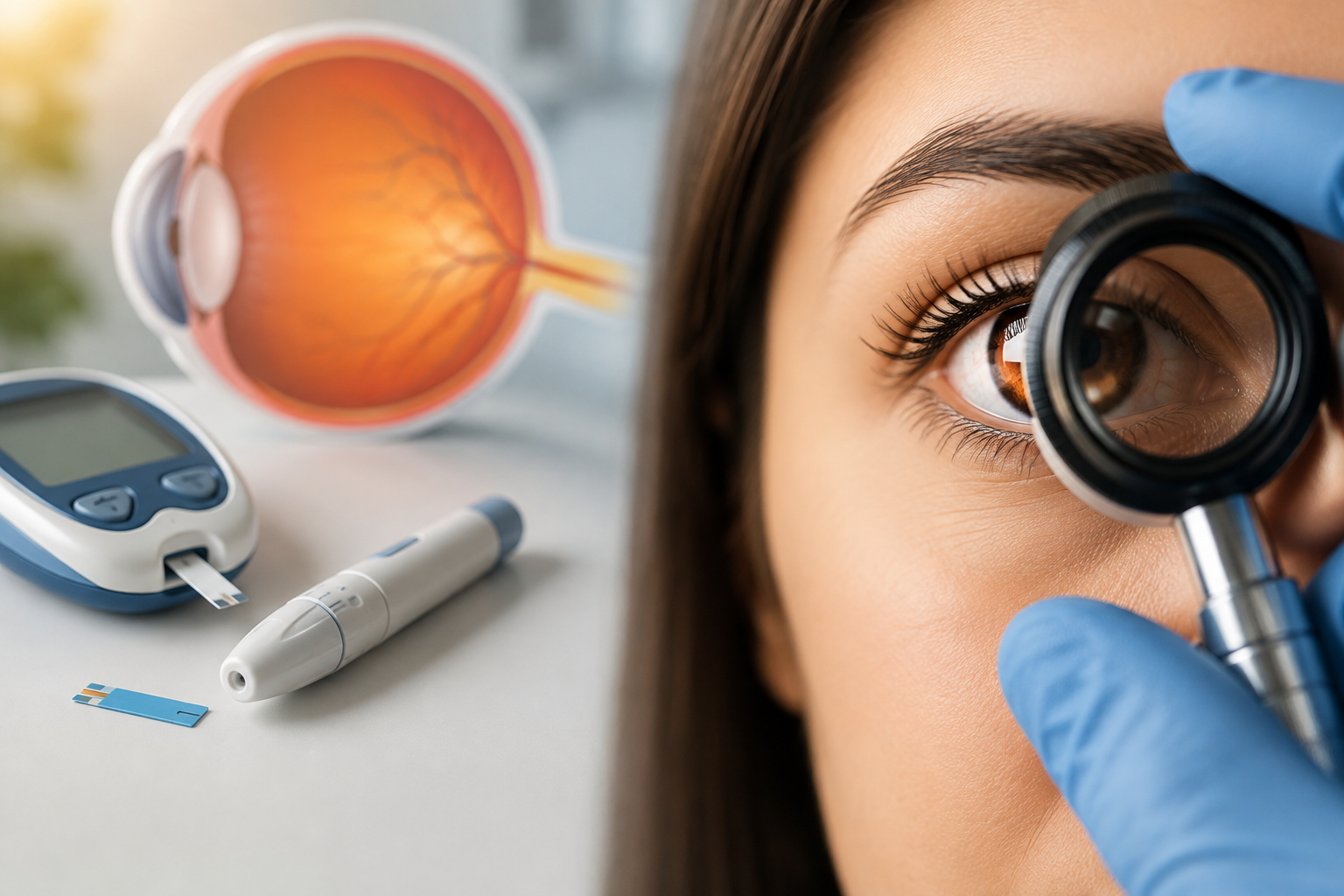
Diabetes can affect different parts of the body, including the eyes. Changes in eye health may develop gradually, and some problems may not cause noticeable symptoms in the early stages. This is why regular eye examinations are an important part of looking after your vision. How Can Diabetes Affect Your Eyes? Dr. Manish Gujrati is an experienced ophthalmologist based in Indore, with over 25 years dedicated to surgical and medical eye care. He holds an MBBS from MG Medical College, Indore, and DOMS from Jamnagar. He also completed a 3-year fellowship at the LV Prasad Eye Institute, Hyderabad. At Priyal Eye Care Centre, Dr. Gujrati believes patients deserve clear explanations and honest guidance. Every consultation is focused on helping patients understand their condition, explore their treatment options, and receive care suited to their individual needs. Diabetes can affect the health of the eyes and may increase the risk of certain vision problems. One important condition associated with diabetes is diabetic retinopathy, which affects the retina—the light-sensitive tissue at the back of the eye. Because diabetic eye problems may develop gradually, you may not notice changes in your vision until the condition has progressed. What Is Diabetic Retinopathy? Bright lights may start to feel uncomforta Diabetic retinopathy is an eye condition associated with diabetes that can affect the blood vessels supplying the retina. In its early stages, it may not cause obvious symptoms. As the condition progresses, it can potentially affect vision. This is why screening is important even when your eyesight seems normal. ble. You may notice increased glare from sunlight, headlights, or indoor lights, especially while driving at night. Why Is Regular Eye Screening Important? Regular eye screening can help your eye specialist look for changes that may not yet be noticeable to you. An eye examination can help identify potential problems early and determine whether further monitoring or treatment is needed. Do not wait for your vision to become blurry before getting your eyes checked. Signs You Should Not Ignore Although diabetic eye conditions may initially have few or no symptoms, changes in vision should always be taken seriously. Contact an eye specialist if you notice: Blurred or changing vision Difficulty seeing clearly New spots or changes in your vision Difficulty with everyday visual activities Any sudden or unusual change in eyesight If you experience a sudden change in vision, seek prompt medical evaluation. Who Should Get Diabetic Eye Screening? Anyone living with diabetes should discuss an appropriate eye-screening schedule with their healthcare and eye-care professionals. The frequency of examinations can vary depending on your individual health and eye condition. If an eye condition has already been identified, your ophthalmologist may recommend more frequent monitoring. What Happens During an Eye Examination? A comprehensive eye examination allows your ophthalmologist to assess your vision and examine the health of your eyes. Depending on your individual needs, your eye specialist may recommend appropriate diagnostic tests to identify or monitor eye conditions. Regular examinations are particularly important because some eye diseases can progress before noticeable symptoms appear. Don’t Wait for Symptoms One of the most important steps you can take for your eye health is to stay consistent with your recommended eye examinations. Early identification of eye problems gives you the opportunity to understand your condition and discuss appropriate management with your eye specialist. Comprehensive Eye Care in Indore At Priyal Eye Care Centre, Dr. Manish Gujrati provides comprehensive eye care, from routine eye check-ups to advanced surgical treatment. With more than 25 years of surgical experience, every treatment plan is tailored to the patient’s individual eye condition and needs. If you have diabetes or are concerned about changes in your vision, a comprehensive eye examination can help you understand the health of your eyes. Book a consultation at Priyal Eye Care Centre, Indore, and make regular eye screening a part of your vision care routine.
“How Often Should You Get an Eye Check-up? A Guide by Age Group”
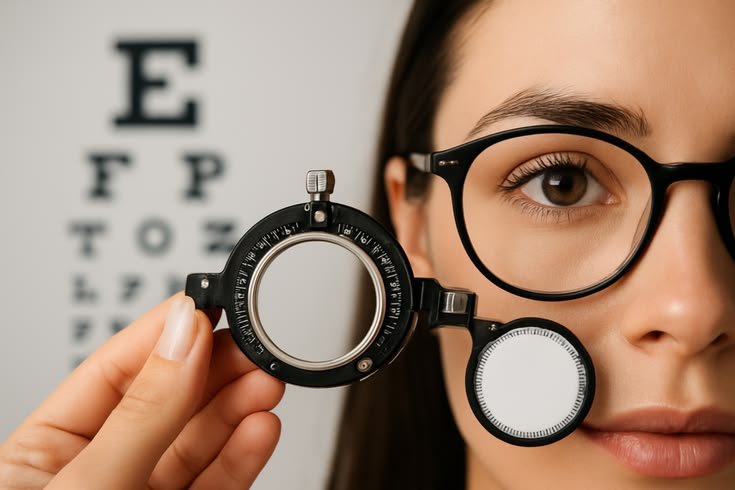
Your eyes can change gradually without obvious symptoms. Some eye conditions may not cause noticeable problems until they have already started affecting vision. Regular eye check-ups can help identify changes early and allow your eye specialist to recommend appropriate care. But how often should you have your eyes examined? The answer can depend on your age, eye health, symptoms, and individual risk factors. Why Are Regular Eye Check-ups Important? An eye examination is more than simply checking whether you need glasses. A comprehensive examination can help your ophthalmologist assess your vision and look for signs of different eye conditions. For conditions such as glaucoma, early detection is particularly important because it can progress silently without noticeable symptoms in its early stages. Regular check-ups can therefore help you stay informed about your eye health, even when your vision seems normal. Eye Check-ups for Children Children’s vision plays an important role in learning, reading, playing, and everyday development. Parents should pay attention to signs such as: Difficulty reading or seeing objects clearly Frequently sitting very close to screens or books Squinting to see Complaints of headaches or eye discomfort Difficulty seeing the board at school If a child shows any changes in vision or unusual eye-related symptoms, an eye examination should be considered rather than waiting for the problem to resolve on its own. Eye Check-ups for Adults Adults may gradually adapt to changes in their vision and may not immediately realise that their eyesight has changed. An eye check-up can be especially useful if you notice: Blurred or hazy vision Difficulty seeing at night Increased sensitivity to light or glare Frequent changes in your glasses prescription Difficulty reading or focusing Changes in peripheral vision Adults should also seek an eye examination if they have concerns about a specific eye condition. For example, glaucoma may progress without obvious symptoms, making appropriate examination and ongoing monitoring important. Eye Check-ups for Seniors As we grow older, the risk of developing certain eye conditions can increase. Seniors should pay close attention to changes in vision and have their eyes examined according to their ophthalmologist’s advice. Symptoms such as blurry vision, glare, difficulty seeing at night, or faded colours should not simply be considered a normal part of ageing. These symptoms can occur with conditions such as cataracts, which cause the natural lens of the eye to become cloudy. How Often Should You Get an Eye Check-up? There is no single examination schedule that is appropriate for everyone. The frequency of eye examinations depends on factors such as: Age Existing eye conditions Vision changes Family or personal risk factors Previous eye surgery or treatment Your ophthalmologist’s recommendations If you already have an eye condition such as glaucoma, regular monitoring may be required to assess the condition and protect your vision over the long term. Don’t Wait for Symptoms One of the biggest mistakes people make is waiting until their vision becomes noticeably worse before visiting an eye specialist. Some eye conditions can develop gradually, while others may have few symptoms in their early stages. A comprehensive eye examination can help identify problems that may otherwise go unnoticed. When Should You Book an Eye Examination? You should consider scheduling an eye check-up if you notice: Sudden or gradual changes in vision Persistent eye discomfort or redness Difficulty seeing at night Increased glare or halos around lights A change in your peripheral vision Any other unusual change in your eyes or vision If symptoms are sudden or severe, seek prompt medical evaluation. Comprehensive Eye Care in Indore At Priyal Eye Care Centre, Dr. Manish Gujrati provides comprehensive eye care, from routine eye check-ups to advanced surgical treatment. With more than 25 years of surgical experience, treatment plans are tailored to each patient’s eye condition, lifestyle, and individual needs. Regular eye examinations are an important part of taking care of your vision. Whether you are a child, adult, or senior, the right time for an eye check-up depends on your individual needs. Don’t wait for your vision to become a problem. Book a comprehensive eye check-up at Priyal Eye Care Centre, Indore, and take a proactive step towards healthier vision.
“Corneal Transplant Surgery: Types, Procedure, and Recovery”
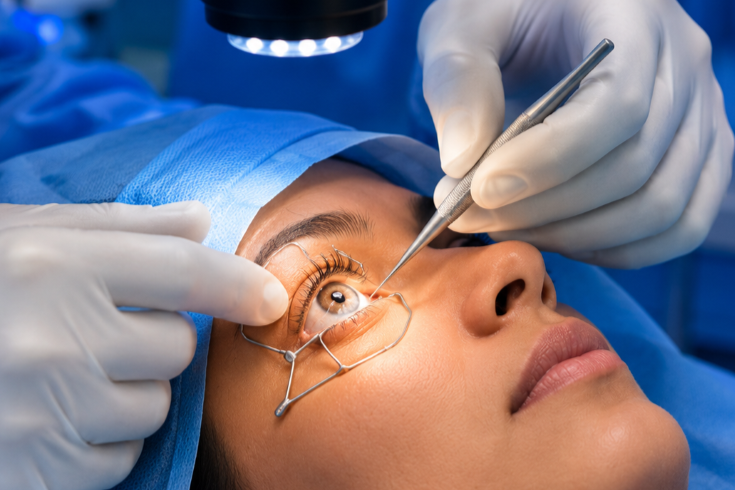
The cornea is the clear front surface of the eye that plays an important role in focusing light and providing clear vision. When the cornea becomes severely damaged or diseased, it can affect vision and sometimes cause discomfort or pain. In certain cases, a corneal transplant, also known as keratoplasty, may be recommended to replace damaged corneal tissue and help restore vision. What Is a Corneal Transplant? A corneal transplant is a surgical procedure in which damaged or diseased corneal tissue is replaced with healthy donor corneal tissue. The goal is to restore vision and, where applicable, relieve discomfort caused by certain corneal conditions. A transplant may be considered for conditions such as: Corneal scarring caused by injury or infection Keratoconus, a condition involving thinning and bulging of the cornea Corneal clouding or swelling The appropriate treatment depends on the condition and the part of the cornea that is affected. Types of Corneal Transplant There are different approaches to corneal transplantation. The two types performed at Priyal Eye Care Centre include penetrating keratoplasty and lamellar keratoplasty. 1. Penetrating Keratoplasty Penetrating keratoplasty is a full-thickness corneal transplant. In this procedure, the entire thickness of the affected cornea is replaced with donor tissue. This approach may be considered when the damage or disease involves the full thickness of the cornea. 2. Lamellar Keratoplasty Lamellar keratoplasty involves replacing only the affected layers of the cornea rather than replacing the entire cornea. This approach allows healthy corneal tissue to be preserved where possible and can provide a more selective treatment for certain corneal conditions. Which Type of Corneal Transplant Is Right for You? There is no single transplant technique that is suitable for every patient. The choice between penetrating and lamellar keratoplasty depends on the patient’s corneal condition, the extent of damage, and which layers of the cornea are affected. Dr. Manish Gujrati has experience in both full-thickness and layer-specific transplant techniques, allowing the treatment approach to be selected according to each patient’s condition. What Can You Expect During Recovery? Recovery after corneal transplant surgery varies from patient to patient and depends on the type of procedure and the individual’s eye condition. Your ophthalmologist will monitor your eye during follow-up visits and provide instructions specific to your recovery. It is important to: Follow your doctor’s post-operative instructions carefully. Attend all recommended follow-up appointments. Use prescribed medication as directed. Report any unusual changes or concerns to your eye specialist. Avoid stopping treatment without discussing it with your doctor. Your ophthalmologist will guide you regarding when you can safely return to your usual activities. Why Is Expert Evaluation Important? Corneal conditions can vary significantly from one patient to another. A detailed eye examination helps your ophthalmologist understand the condition of your cornea and determine whether a transplant is appropriate. The aim is to choose the most suitable and conservative approach while preserving healthy corneal tissue whenever possible. Corneal Transplant Care in Indore At Priyal Eye Care Centre, Dr. Manish Gujrati provides corneal transplant surgery, including penetrating and lamellar keratoplasty. With experience in both full-thickness and layer-specific techniques, treatment can be planned according to the individual patient’s corneal condition. If you have been diagnosed with corneal scarring, keratoconus, corneal clouding, or another corneal condition, a comprehensive evaluation can help you understand your treatment options. Book a consultation with Dr. Manish Gujrati at Priyal Eye Care Centre, Indore, to discuss your corneal health and treatment options.
Glaucoma: The Silent Thief of Vision – What You Need to Know
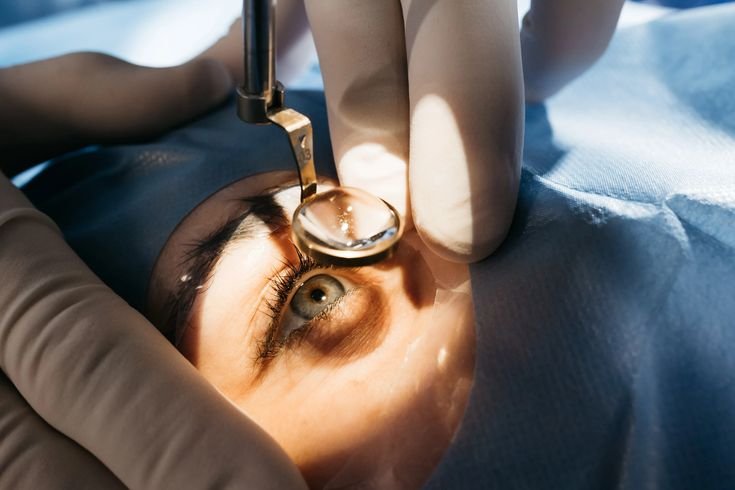
Glaucoma is a group of eye conditions that can damage the optic nerve and affect vision. It often progresses silently, which means a person may not notice obvious symptoms until vision loss has already started. This is why regular eye examinations and early detection are so important. What Is Glaucoma? Glaucoma is a group of conditions that damage the optic nerve, usually associated with increased pressure inside the eye. Because the condition can develop gradually without noticeable symptoms, regular eye examinations can play an important role in detecting it early. Once vision is affected, the damage can be serious, making early evaluation and ongoing monitoring important. Why Is Glaucoma Called the “Silent Thief of Vision”? Glaucoma can develop without obvious warning signs, particularly in its early stages. A person may continue with their normal routine while changes to the optic nerve are taking place. This is one of the main reasons glaucoma can be difficult to identify without an eye examination. Early detection allows an eye specialist to assess the condition and plan appropriate management. Common Signs of Glaucoma Glaucoma may not cause noticeable symptoms in its early stages. When symptoms do occur, they can include: Gradual loss of peripheral or side vision Eye pain or redness, particularly in acute cases Halos around lights Because symptoms may be absent or difficult to notice, waiting for vision problems to appear is not a reliable way to detect glaucoma. Why Regular Eye Pressure Checks Matter Eye pressure testing, also known as tonometry, is an important part of glaucoma evaluation. A comprehensive assessment may also include visual field testing to understand how glaucoma may be affecting your vision. Based on the findings and severity, treatment may include medication, laser treatment, or surgery. Regular monitoring is particularly important because glaucoma requires ongoing attention. Early detection and continued follow-up can help protect vision over the long term. How Is Glaucoma Diagnosed? A comprehensive glaucoma evaluation may include: Eye Pressure Testing Tonometry measures the pressure inside the eye and forms part of the assessment for glaucoma. Visual Field Testing Visual field testing helps evaluate whether there are areas of vision that may have been affected. Ongoing Monitoring Glaucoma management does not necessarily end after the initial diagnosis. Regular monitoring helps the eye specialist assess the condition and adjust treatment when required. Glaucoma Treatment Treatment depends on the severity and individual condition of the patient. Management may include: Medication Laser treatment Surgery The appropriate treatment plan is determined after a comprehensive evaluation. Don’t Wait for Vision Loss One of the most important things to understand about glaucoma is that noticeable symptoms may not appear early. If you wait until your vision changes significantly, the condition may already have progressed. A comprehensive eye check-up can help identify glaucoma and other eye conditions at an earlier stage. Expert Glaucoma Care in Indore At Priyal Eye Care Centre, Dr. Manish Gujrati provides glaucoma diagnosis and management with a focus on thorough evaluation and ongoing monitoring to help detect glaucoma early and protect vision for the long term. If you have concerns about your eye health or have not had a comprehensive eye examination recently, consider scheduling a consultation. Your vision is precious. Don’t wait for symptoms to become noticeable—get your eyes checked regularly.
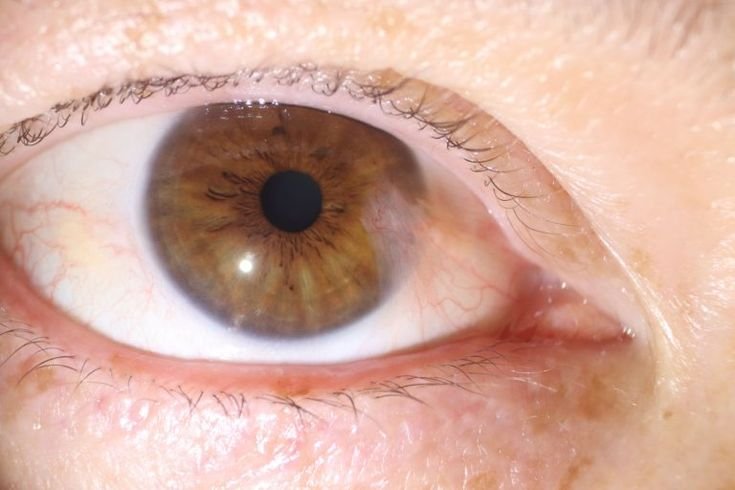
What Is a Pterygium and Does It Need Surgery?
Have you noticed a small, fleshy growth on the white part of your eye? It could be a pterygium. Sometimes called “surfer’s eye,” a pterygium is a growth of tissue that develops on the conjunctiva, the clear membrane covering the white part of the eye. It can sometimes extend onto the cornea and affect vision. What Is a Pterygium? A pterygium is a fleshy growth that develops on the white of the eye and may gradually extend toward the cornea. While a small pterygium may not cause significant problems, it can sometimes lead to irritation, redness, or blurred vision when it grows onto the cornea. What Are the Common Symptoms? A pterygium may be visible as a growth on the white part of the eye. Common symptoms can include: A visible fleshy growth on the eye Redness Eye irritation A gritty or foreign-body sensation Blurred vision if the growth extends onto the cornea Not everyone with a pterygium will experience all of these symptoms. Does Every Pterygium Need Surgery? No. The need for surgery depends on the individual condition and how the pterygium is affecting the eye. If the growth is causing significant irritation, affecting vision, or extending onto the cornea, an eye specialist can evaluate whether surgical removal is appropriate. A comprehensive eye examination is the best way to determine the right approach for your particular condition. What Happens During Pterygium Surgery? When surgery is recommended, the pterygium is surgically removed. At Priyal Eye Care Centre, Dr. Manish Gujrati uses the conjunctival autograft technique. This technique involves using healthy conjunctival tissue as part of the surgical procedure and is intended to significantly reduce the chance of the pterygium returning compared with older surgical methods. Why Can Pterygium Come Back? Recurrence is an important consideration when treating pterygium. The surgical technique used can influence the likelihood of recurrence. Dr. Gujrati has experience with the conjunctival autograft technique, specifically with the aim of minimising recurrence after surgery. When Should You See an Eye Specialist? Consider getting your eyes examined if you notice: A new or growing fleshy growth on the eye Persistent redness or irritation A gritty sensation that does not go away Changes or blurring in your vision Early evaluation can help determine whether the pterygium requires observation, treatment, or surgical removal. Pterygium Treatment in Indore At Priyal Eye Care Centre, Dr. Manish Gujrati provides pterygium surgery using the conjunctival autograft technique, with a focus on reducing recurrence and achieving an appropriate outcome for each patient. If you have noticed a growth on your eye or are experiencing persistent irritation or blurred vision, a comprehensive eye examination can help you understand your treatment options. Book a consultation with Dr. Manish Gujrati at Priyal Eye Care Centre, Indore, and get expert guidance for your eye health.

“LASIK vs Glasses: Which Is Right for You?”
If you have been using glasses or contact lenses for years, you may have wondered whether LASIK could be a better option for you. Both glasses and LASIK can help correct refractive errors, but they work in very different ways. Understanding the differences can help you have a more informed conversation with your eye specialist. What Is LASIK? LASIK is a laser eye procedure that reshapes the cornea to correct refractive errors. It can help eligible patients with: Myopia (nearsightedness) Hyperopia (farsightedness) Astigmatism The goal of LASIK is to reduce dependence on glasses or contact lenses. It is generally performed as an outpatient procedure with minimal downtime. Glasses: A Simple and Non-Surgical Option Glasses are one of the simplest ways to correct vision. They can provide clear vision without requiring a surgical procedure. However, some people may find glasses inconvenient during activities such as sports, travel, or outdoor work. Others may prefer not to depend on glasses every day. Contact lenses are another non-surgical option, but they require regular care and proper handling. LASIK vs Glasses: Key Differences 1. Dependence on Glasses Glasses: You continue wearing glasses to achieve corrected vision. LASIK: The procedure is designed to reduce dependence on glasses or contact lenses for eligible patients. 2. Surgical vs Non-Surgical Glasses: No surgery is involved. LASIK: It is a laser procedure that reshapes the cornea. 3. Eligibility Not everyone is suitable for LASIK. A detailed pre-LASIK evaluation is necessary to determine whether the procedure is appropriate for you. 4. Convenience Glasses are easy to use and can be removed whenever you want. LASIK may offer greater freedom from glasses and contact lenses for people who are suitable candidates. Who May Consider LASIK? LASIK may be an option for people who want to reduce their dependence on glasses or contact lenses and have a refractive error that can be treated with laser correction. However, the decision should not be based only on your desire to stop wearing glasses. A proper eye examination and pre-LASIK evaluation are essential before deciding on surgery. At Priyal Eye Care Centre, Dr. Manish Gujrati conducts a detailed evaluation before recommending LASIK to determine whether a patient is suitable for the procedure. Which Option Is Right for You? There is no single answer that works for everyone. If you are comfortable wearing glasses and they provide you with clear vision, continuing with glasses may be a perfectly suitable choice. If you want to reduce your dependence on glasses or contact lenses, LASIK may be worth discussing with an eye specialist. The best choice depends on your eye condition, lifestyle, visual needs, and LASIK eligibility. Take the First Step With a Proper Eye Evaluation Thinking about LASIK? Don’t make the decision based on advertisements or someone else’s experience. Start with a comprehensive eye examination and a proper suitability assessment. Dr. Manish Gujrati at Priyal Eye Care Centre, Indore, provides LASIK and refractive eye care with a focus on careful evaluation and personalised treatment. Book a consultation to understand whether LASIK is right for your eyes.
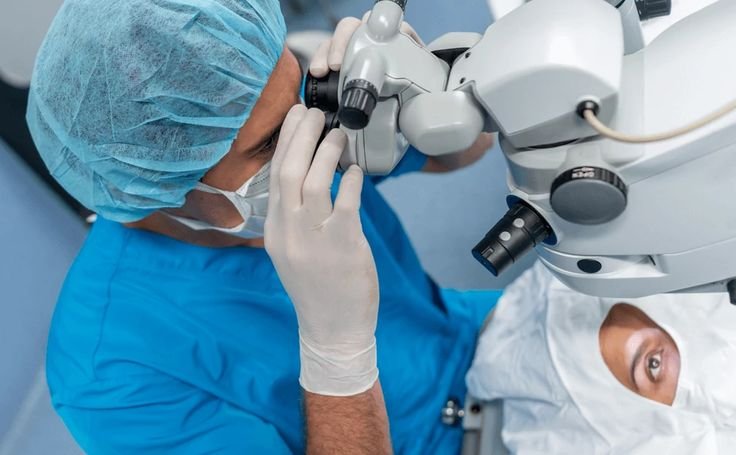
Life After Cataract Surgery: What to Expect During Recovery
Cataract surgery is one of the most common procedures used to treat cataracts and restore clearer vision. At Priyal Eye Care Centre, Dr. Manish Gujrati uses advanced phacoemulsification, a minimally invasive technique in which the cloudy natural lens is removed through a tiny incision and replaced with an intraocular lens (IOL) selected according to the patient’s vision needs and lifestyle. But what happens after the surgery? Understanding the recovery process can help you feel more prepared and know when to contact your eye specialist. What to Expect After Cataract Surgery Every patient’s recovery is different. Your eye specialist will provide instructions based on your individual condition and the type of surgery performed. Day 1: Your First Day After Surgery Immediately after cataract surgery, your vision may not be completely clear. Some patients may experience temporary blurriness or sensitivity to light while the eye begins to recover. Follow all instructions given by your doctor and avoid putting unnecessary strain on the operated eye. Your doctor may schedule a follow-up examination to check how your eye is healing. The First Few Days During the first few days, your vision may gradually become clearer. It is important to follow your doctor’s post-operative instructions carefully. You may be advised to: Use prescribed eye drops as directed. Avoid rubbing or pressing the operated eye. Keep the eye protected as instructed. Attend scheduled follow-up appointments. Contact your doctor if you notice unusual or worsening symptoms. The First Week As healing continues, many patients notice improvement in their vision. However, recovery can vary depending on your eye health and individual circumstances. Continue following your doctor’s instructions even if your vision begins to feel normal. Avoid activities that your eye specialist has specifically advised you to avoid during the recovery period. The Following Weeks Your eye continues to heal after the first week. Your doctor will monitor your progress during follow-up visits and advise you when you can gradually return to your normal activities. Do not stop prescribed medication or eye drops on your own. Always follow the treatment plan provided by your ophthalmologist. Cataract Surgery Do’s and Don’ts Do: Follow your doctor’s instructions carefully. Use prescribed medications and eye drops as directed. Attend your follow-up appointments. Protect your eyes as recommended. Report unusual changes in your vision to your doctor. Don’t: Rub or press your operated eye. Stop medication without consulting your doctor. Ignore sudden or worsening changes in vision. Resume restricted activities before your doctor advises you to do so. When Should You Contact Your Doctor? Recovery should be monitored by your eye specialist. If you experience a significant or unexpected change in your vision, increasing eye discomfort, or other symptoms that concern you, contact your ophthalmologist promptly rather than waiting for your next appointment. Your doctor can assess your eye and determine whether further treatment or evaluation is required. Choosing the Right Intraocular Lens During cataract surgery, the cloudy natural lens is replaced with an intraocular lens (IOL). The choice of IOL can be matched to your vision requirements and lifestyle. Dr. Manish Gujrati uses modern IOL options as part of cataract treatment at Priyal Eye Care Centre. Your Recovery Is Personal There is no single recovery timeline that applies to every patient. Your age, eye health, type of procedure, and individual healing process can all influence your recovery. The best way to support your recovery is to follow your ophthalmologist’s instructions and attend your recommended follow-up appointments. Cataract Care in Indore At Priyal Eye Care Centre, Dr. Manish Gujrati has more than 25 years of surgical experience and provides cataract surgery using advanced phacoemulsification and modern IOL options. If cataracts are affecting your ability to read, drive, work, or enjoy everyday activities, a comprehensive eye examination can help determine the next step. Book a consultation with Dr. Manish Gujrati at Priyal Eye Care Centre, Indore, to discuss your cataract treatment options and recovery plan.
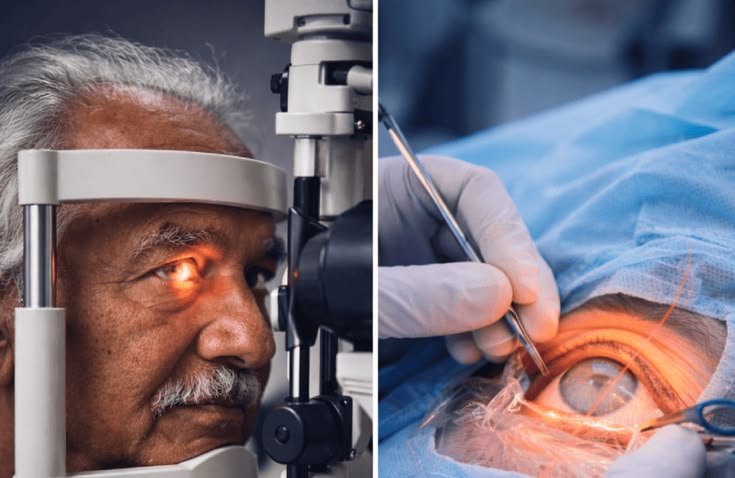
7 Early Signs of Cataract You Shouldn’t Ignore
Cataracts are one of the most common causes of vision problems. They develop when the natural lens of the eye becomes cloudy, gradually making it harder to see clearly. Cataracts usually develop slowly, so the changes in vision may not always be noticed at first. Recognising the early signs and getting an eye examination can help you understand your condition and explore the right treatment options. 1. Blurry or Hazy Vision One of the most common signs of cataract is gradually becoming blurry or hazy. You may feel that your vision is not as sharp as it used to be, even with your usual glasses. 2. Increased Sensitivity to Light and Glare Bright lights may start to feel uncomfortable. You may notice increased glare from sunlight, headlights, or indoor lights, especially while driving at night. 3. Difficulty Seeing Clearly at Night Cataracts can make low-light conditions more challenging. Reading, walking, or driving at night may become increasingly difficult because objects may not appear as clear as before. 4. Colours Appear Faded or Yellowish As the eye’s natural lens becomes cloudy, colours may gradually appear less bright or slightly yellowish. You may notice that things don’t look as vibrant as they once did. 5. Frequent Changes in Your Glasses Prescription If you find that your glasses prescription needs to be changed more often than usual, it may be worth having your eyes examined to identify the underlying cause. 6. Halos Around Lights You may notice rings or halos around lights, particularly at night. This can make headlights and other bright sources of light appear more distracting. 7. Everyday Activities Become Difficult Cataracts can gradually interfere with everyday activities such as reading, driving, watching television, or recognising faces clearly. If your vision is affecting your daily routine, an eye check-up is important. When Should You See an Eye Doctor? If you notice changes such as blurry vision, increased glare, difficulty seeing at night, or faded colours, don’t ignore them. A comprehensive eye examination can help determine whether cataracts or another eye condition is affecting your vision. At Priyal Eye Care Centre, Dr. Manish Gujrati provides comprehensive eye care with more than 25 years of surgical experience. Cataract surgery involves advanced phacoemulsification, where the cloudy natural lens is removed through a tiny incision and replaced with an intraocular lens (IOL) selected according to the patient’s vision needs and lifestyle. Clear Vision Starts With the Right Care Cataracts are treatable, but the first step is understanding what is causing your vision changes. If you are experiencing any of these symptoms, schedule a comprehensive eye check-up and discuss your options with an eye specialist. Book a consultation with Dr. Manish Gujrati at Priyal Eye Care Centre, Indore, and take the first step towards clearer vision.